
If leaders use AI only to optimise performance, they risk building highly intelligent organisations that have forgotten how to rethink. Real innovation requires single-, double-, and triple-loop learning.[…]
Continue reading
If leaders use AI only to optimise performance, they risk building highly intelligent organisations that have forgotten how to rethink. Real innovation requires single-, double-, and triple-loop learning.[…]
Continue reading
Artificial intelligence has entered the workplace in a predictable way: leaders see opportunity; teams feel uncertainty.
On the surface, the conversation is about tools, productivity, and competitive advantage. Underneath, it is about role, value, and relevance. The technical questions are usually manageable. The human questions take more care. […]
Business expansion presents organisations with dilemmas as old as commerce itself: how to scale without sacrificing human connection, and how to balance the demands of stability with the imperatives of adaptability. Insight into these challenges can be found not merely in contemporary management literature but also in the enduring structures of the Greek and Roman theatres in Syracuse, Sicily—each an ancient template for organisational design, and more significantly, for cultivating a culture fit for change.[…]
Continue reading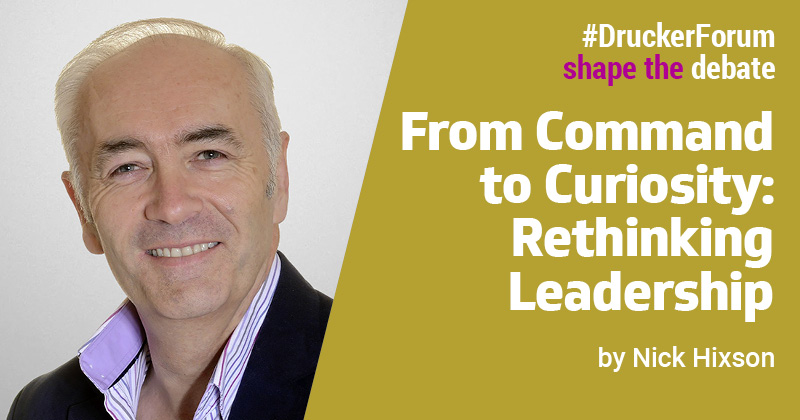
Moving beyond military metaphors, leaders must create conditions where strengths align and unpredictability becomes an asset.
The traditional paradigm of managers as distant commanders is giving way to a richer image—that of the enabler and servant leader (The Death of the Manager: The Rise of the Enabler). Inspired by that, we might consider a radical reimagining: what if managing an organisation were more like orchestrating a mega-event…of cat management?[…]
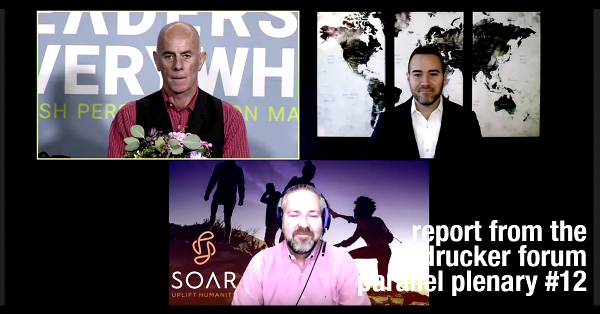
Leaders do damage to their organizations if they don’t do development of themselves. Their own capabilities to lead effectively are never perfect, and any investment they make in honing their skills has immediate payoff. How should leaders approach this responsibility in a disciplined way? How can they know if they’re improving?[…]
Continue readingDefining the new entrepreneurship: how it’s different from the current one A gap between entrepreneurship and art has arisen over
Continue readingManagement is about controlling, administering, and planning. It is a centuries old discipline derived from the need to control a
Continue readingWhy does it seem that the big corporations always get away with it? How do they sleep at night, given
Continue reading